2026-08-18
Who Is Responsible for Maintaining a Website? A Factory Owner's Guide
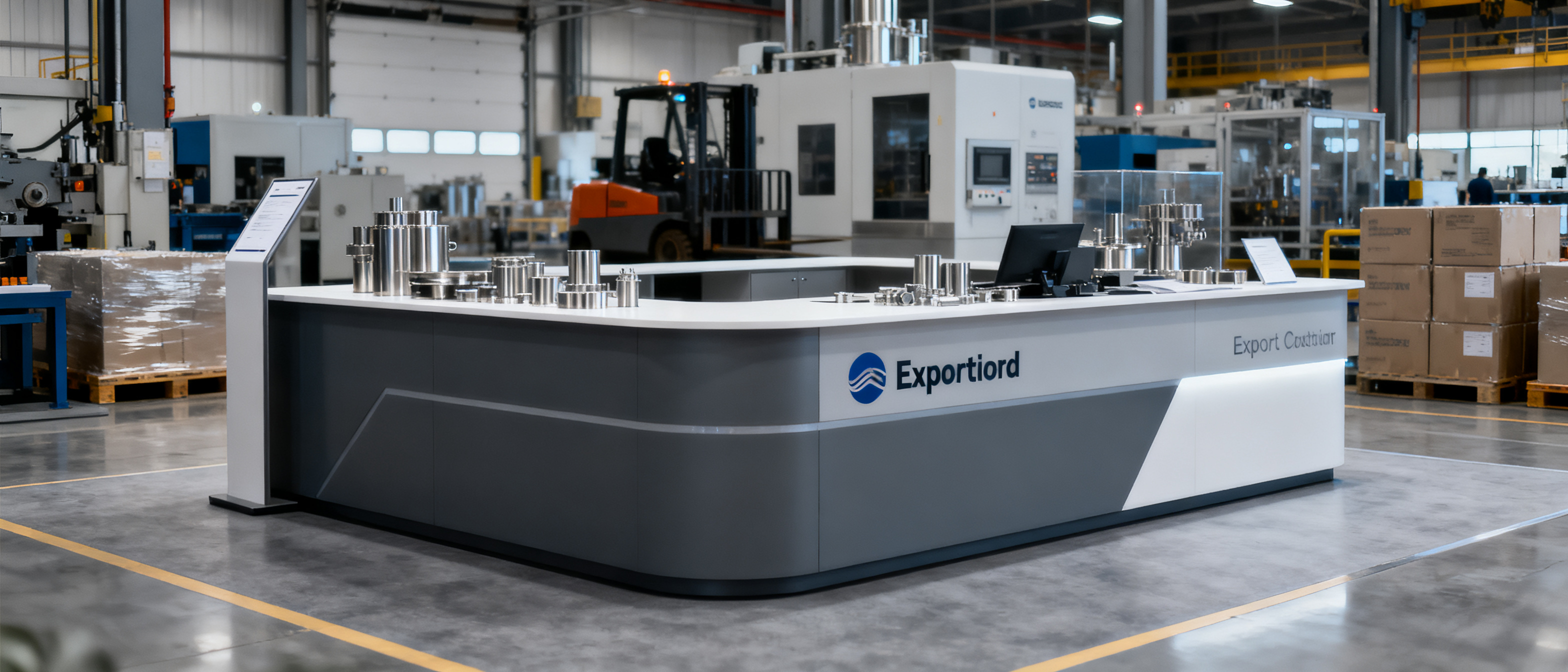
Who is responsible for maintaining a website? If you run a factory, OEM workshop, or export desk, the short answer is that you—the business owner or trade manager—are ultimately accountable for keeping the company’s online presence live, accurate, and trustworthy. But accountability doesn’t mean you need to code, fix servers, or chase security patches yourself. The actual maintenance work can be split across different people—or eliminated by choosing a setup that doesn’t demand a full-time web team.
The Many Hands Behind a Website
In a typical small business, website maintenance isn’t a single person’s job. It’s a collection of tasks that often fall to different roles, whether you realise it or not:
- Domain and hosting management – someone must renew the domain, keep DNS records correct, and ensure the hosting bill is paid. Often this is the owner or an office administrator.
- Content updates – product details, company certifications, exhibition calendars, and contact information. A trade manager or sales assistant usually handles this.
- Technical upkeep – software updates, security patches, broken-link checks, and performance tweaks. This is the part that typically requires a developer or an agency.
- SEO and analytics oversight – monitoring search visibility, fixing crawl errors, and refreshing meta data. It might be shared between a marketing-savvy export manager and an external consultant.
- Design and layout changes – rarely needed, but when a new certification or product line requires a fresh page, someone with design or CMS skills steps in.
For a small manufacturer, the list gets even more tangled because the person who knows the products best seldom has the time (or inclination) to wrestle with a content management system. That’s why understanding who actually does the work—and how much it costs—is more important than assigning a single title.
When the Website Owner Is a Factory—Who Does the Work? (Who Is Responsible for Maintaining a Website?)
In a factory setting, the “website owner” is rarely a dedicated digital marketer. It’s the export manager, the general manager, or the owner’s niece who once built a Wix page. The practical question isn’t “who owns the site?” but “who will answer when a buyer spots a broken page at 10:00 PM?”
Most export-oriented manufacturers keep the site alive through a patchwork of part-time helpers:
- The trade manager might update product catalogues and upload new certifications, but only when the sales season is quiet.
- A local freelancer or a small web agency is called in once or twice a year to fix something that broke.
- The factory owner holds the domain password and the hosting account—often the only person who knows where the site is actually hosted.
This arrangement works until it doesn’t. When a buyer from a marketplace like Global Sources or IndiaMART clicks through to your own-domain page, they expect a professional, fast-loading showcase. If the SSL certificate expires or the contact form stops working, accountability can’t be spread across three people. Ultimately, the factory’s reputation is what suffers, and that lands on the owner’s desk.
The Hidden Costs of Outsourcing Maintenance for a Small B2B Manufacturer
Every maintenance model has a price tag, but the hidden costs often surprise small manufacturers. The table below compares common approaches for a basic B2B showcase site (5–10 pages) that a factory might use alongside its marketplace presence.
| Maintenance approach | Typical annual cost | Hidden costs |
|---|---|---|
| DIY (owner or trade manager) | $50–150 (hosting + domain) | Time away from sales; risk of outdated content; slow fixes when something breaks |
| Part-time freelancer on retainer | $1,200–3,000 | Delayed response; dependency on a single person; communication overhead |
| Small web agency | $2,400–6,000 | Scope creep; contracts that include unnecessary “redesigns”; hard to control monthly cost |
| Managed platform (static, opinionated) | $59–200 (including hosting) | Limited design flexibility; vendor lock-in; must fit the platform’s templates |
Outsourcing to a freelancer or agency might look like the easiest path, but for a factory that simply needs a thin, credible English frontage, the ongoing communication and the cost of trivial updates (like changing a phone number) can far outweigh the benefit. Many small manufacturers end up paying for a “website team” they never wanted, simply because the underlying CMS demands constant attention.
From IT Project to Business Asset: Reducing the Maintenance Burden
The core problem isn’t finding someone to maintain a website—it’s that the site was built as an IT project in the first place. When a manufacturer’s online presence depends on a database, a plugin ecosystem, and a server that needs patching, someone must actively maintain it forever. A shift in thinking can move the website from a technical liability to a business asset that doesn’t require a dedicated maintainer.
One proven way is to adopt a static-site approach. Instead of a traditional CMS that assembles pages on every visit, a static site is pre-built and delivered as flat HTML, CSS, and JavaScript files. This eliminates server-side software updates, reduces attack surfaces, and makes the site instantly faster. Google’s own documentation highlights that maintaining a site’s SEO is much easier when the underlying infrastructure is simple and predictable. Similarly, platforms like Next.js enable static export so that a factory’s English showcase can live as a set of files that rarely need attention.
Another strategy is to centralise the business knowledge—company details, product descriptions, certifications, and factory lines—in one place, and then generate the site and all outreach materials from that single source. This “knowledge once, publish many” model means the trade manager only updates facts once, and the website, brochure, and digital card all reflect the change automatically. When the maintenance burden is shifted from a person to a process, the question of “who is responsible for maintaining a website?” loses its urgency. The answer becomes: the system maintains it, and you just keep your business facts current.
For a Chinese OEM or an overseas small-B manufacturer, this approach aligns with the reality that a website is a trust signal, not a daily publishing platform. Buyers from sourcing marketplaces spend ten seconds scanning for legitimacy. A thin, fast, always-correct English frontage—without a maintenance team behind it—is often the most cost-effective way to support inquiries.
FAQ
Can I maintain a factory website myself without a developer?
Yes, if you choose a tool that doesn’t require server management or frequent software updates. A static-site approach or a managed service that handles the technical side lets you focus on updating product details and company information. You will still need to monitor the domain renewal and occasionally check that forms work, but you can avoid coding and server patches entirely.
What happens if a small manufacturer ignores website maintenance for several months?
The most common consequences are expired SSL certificates (which trigger browser warnings), outdated contact information, and broken links. Search engines may also notice neglected pages and gradually lower their ranking. For a factory that relies on buyers scanning a company page after finding it on a marketplace, these small failures can quickly erode trust and cost inquiries.
How much does basic website maintenance cost for a small B2B manufacturer?
If you handle the content yourself and use a platform that includes hosting and security, annual costs can be as low as $59 to $200. Traditional setups with a freelancer or agency typically range from $1,200 to $6,000 per year, depending on the number of updates and the complexity of the site. The biggest variable is not the hosting fee, but the labour cost of keeping a CMS secure and up-to-date.
Who is responsible for maintaining a website when there is no dedicated IT staff?
Ultimately, the business owner or trade manager is accountable. However, the actual maintenance can be delegated to a managed platform that automates updates, a freelancer who handles technical tasks on demand, or a combination of internal content updates and external technical support. The key is to define clear ownership of the domain and hosting, and to ensure that at least one person regularly checks the site’s basic functionality.
References & Further Reading
- Why does speed matter? – web.dev – explains how page performance affects user trust and business metrics.
- Maintain your site’s SEO – Google Search Central – practical guidance on keeping a site healthy for search engines.
- Static HTML Export – Next.js Documentation – how static-site generation removes the need for server maintenance.
- B2B Frontage Blog – more articles on reducing the website maintenance burden for factories and small manufacturers.